What they are
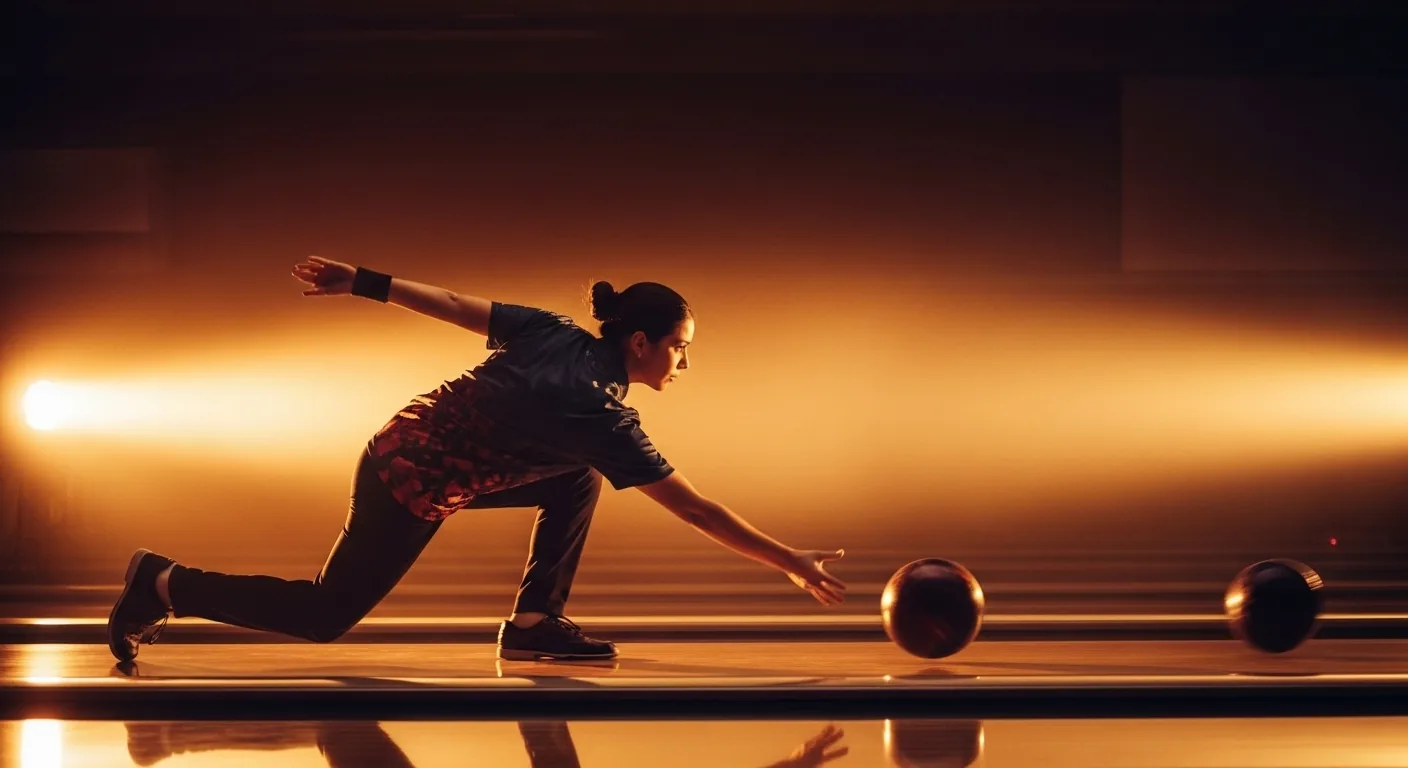
No-thumb bowling inserts only the fingers, leaving the thumb out of the ball. Two-handed bowling is usually a no-thumb style where the non-bowling hand supports and helps power the ball through the swing, releasing as the bowling hand delivers. Despite the name, the ball still leaves one hand — the second hand is a guide and an engine, not a second thrower.
Why they generate so many revs
Removing the thumb lets the fingers stay in the ball longer and impart far more rotation at release, and the supporting hand (in the two-handed style) adds leverage and a longer, more powerful swing. The result is naturally very high rev rates — often well beyond what a conventional one-handed bowler produces — which creates aggressive, high-hooking ball motion.
Pros
- Very high rev rates and strong hook potential.
- Less thumb-related grip tension and 'hanging up.'
- Often easier on some bowlers' wrists and thumbs.
- Big entry angles that can boost carry.
Cons
- Can be harder to control on dry or sharply transitioning lanes.
- Heavier on the legs, back and core — it's physically demanding.
- Shooting straight spares (especially corners) can be trickier with so much hook.
- The two-handed approach takes real practice to time correctly.
How it reshaped the sport
The rise of high-rev two-handed and no-thumb players changed lane conditioning, equipment design, and even how the sport is coached. Whether you adopt the style or not, understanding it helps you read modern bowling. If you're curious, many bowlers experiment no-thumb first (it requires no equipment change beyond a comfortable fit) before committing to the full two-handed delivery.